$15.99 – $24.99
Compact Zigbee vibration, tilt, and drop sensor with 3 sensitivity levels, 2-year battery life, and HomeKit/Alexa/Google compatibility.
The Aqara Vibration Sensor by Aqara is compatible with Apple HomeKit, Amazon Alexa, Google Home, and Home Assistant. It connects via Zigbee. Street price ranges from $15.99 to $24.99. Explore detailed specifications, platform compatibility, and feature comparisons below.
$15.99 – $24.99
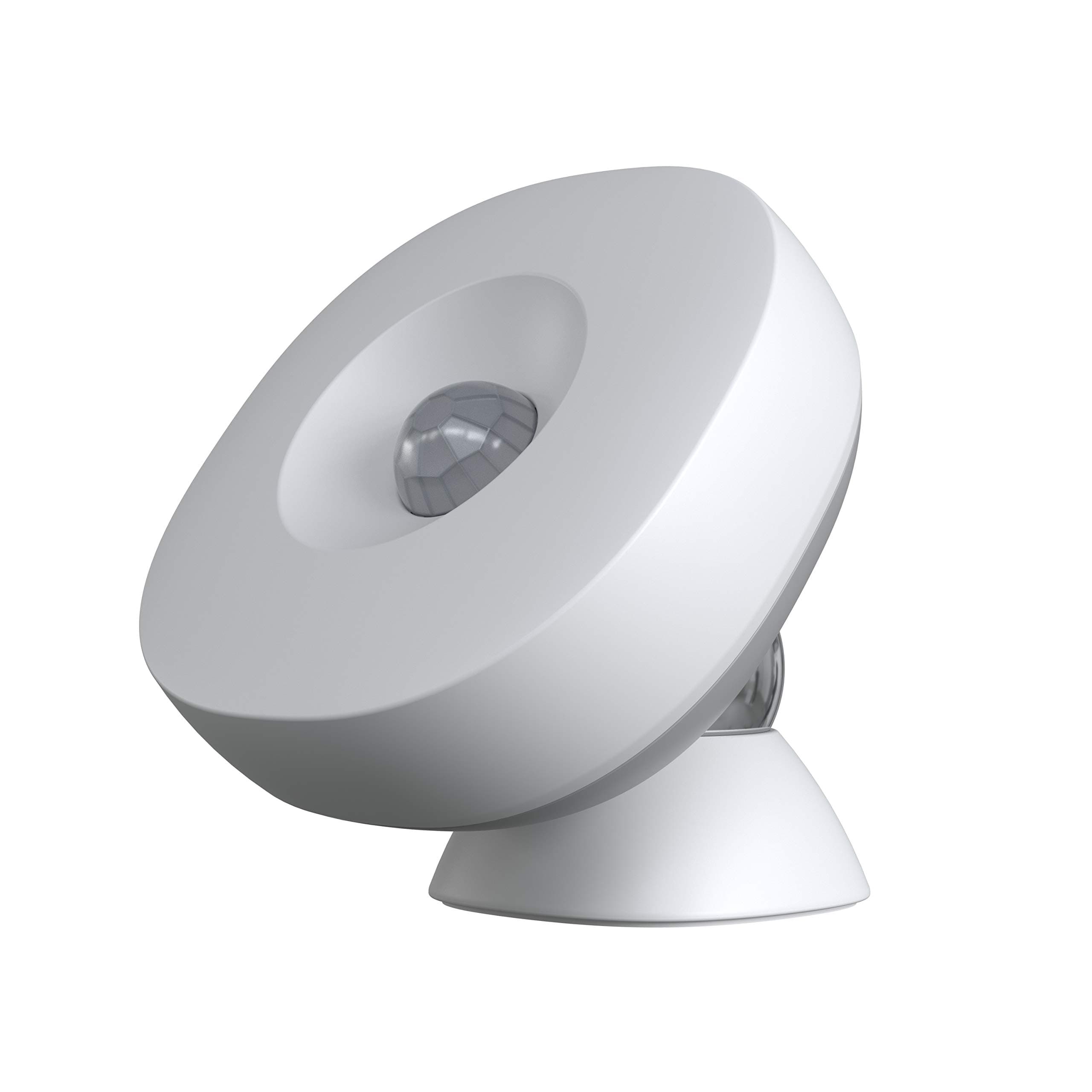
The Aqara Vibration Sensor (DJT11LM) is an ultra-compact smart sensor embedded with a high-precision accelerometer that detects vibration, tilt, and drop movements. Measuring just 36x36x9mm, it can be attached to virtually any surface for security and automation purposes.
The sensor supports three adjustable sensitivity levels (low, medium, high) configurable through the Aqara Home app. When vibration or movement is detected, it triggers the connected Aqara Hub to sound an alarm, sends push notifications to your phone, and can activate other smart devices through automation rules.
Popular use cases include washer/dryer cycle completion notifications (the sensor detects when vibration stops after a set delay), glass break detection on windows, protecting valuable artwork, monitoring doors and cabinets, and securing safes. The one-minute cooldown period between detections prevents alert flooding.
The sensor communicates via Zigbee protocol and REQUIRES an Aqara Hub (not compatible with third-party Zigbee hubs for full functionality). It must be within 10 meters (33 feet) of the hub for reliable operation. The CR2032 coin battery provides up to 2 years of operation with low-battery alerts.
Platform compatibility includes Apple HomeKit, Amazon Alexa, Google Assistant, and IFTTT through the connected Aqara Hub. Home Assistant integration works through ZHA or Zigbee2MQTT, with sensitivity adjustable via MQTT commands. Note that Zigbee2MQTT provides more detailed data including exact angle measurements.
Common issues reported include false alerts on high sensitivity settings, occasional "stuck" detection states requiring battery removal, and integration quirks with certain Zigbee coordinators. Proper placement testing before permanent installation is recommended—press the reset button to verify hub connectivity at your desired location.